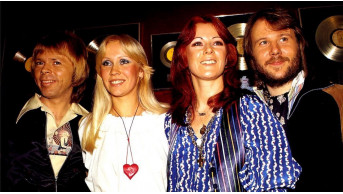
ABBA bans Trump from using their music: a new wave of bans for the candidate

The Swedish cult group ABBA found themselves at the epicenter of a political scandal after their music was used at a rally of the US presidential candidate Donald Trump.
When music becomes politics
At a rally in Minnesota, where about 8, 000 supporters of the ex-president gathered, the hit The Winner Takes it All was played. This caused outrage among the band members and their record company Polar Music.
"Together with the members of ABBA, we have discovered that videos have surfaced of ABBA's music being used at a Trump event and have requested that such use be stopped immediately, " the band's record company said.
A story of success and disagreement
ABBA is not just a musical group, it is a pop culture icon. Since its founding in 1972, the band has sold more than 380 million albums and singles, won the Eurovision Song Contest in 1974, and left an indelible mark on music history. However, even such a legend does not like it when her work is used without permission.
Not only ABBA: who else is against
This is not the first time that Trump has faced such bans. Musicians such as Bruce Springsteen, Rihanna, Rolling Stones, Ozzy Osbourne and Neil Young have also expressed their dissatisfaction with the use of their compositions at his events. For example, after the Foo Fighters' track My Hero was used at a rally in Arizona, a representative of the musicians stated: "The Foo Fighters were not asked for permission, and if they had been, they would not have given it."
Resonance and reaction of musicians
Famous artists such as Celine Dion and copyright holders of Irish singer Sinead O'Connor have also openly criticized Trump for similar actions. This highlights how important it is for musicians to control the use of their creativity.
Results and forecasts
This situation with ABBA and other musicians demonstrates how important it is for artists to maintain control over the use of their creativity. She also emphasizes the need for clear legal regulation of copyright issues in political campaigns. Will the approach of political candidates to the use of music change after these events? Time will tell.
Editor: Yana Davydiuk