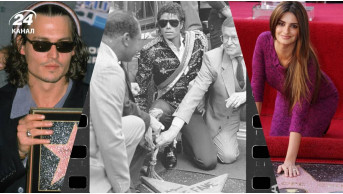
Hollywood Walk of Fame: Unveiling the Glamour and Mystique

The Hollywood Walk of Fame, a shimmering tapestry woven into the very fabric of Los Angeles, beckons millions of starry-eyed tourists each year. With dreams of glimpsing their favorite celebrity's star, they tread the historic sidewalks where legends are immortalized.
The Genesis of a Legendary Walk
The Hollywood Walk of Fame is not just a stroll through stardom but a journey back in time. Initially conceived in the 1950s, the idea was to honor those who have made significant contributions to entertainment. Yet, who exactly deserves the credit for this starry concept? Speculations abound: was it John Quillin from the Hollywood Chamber of Commerce, or was it the other prominent figures linked to its inception?
Iconic Stars and Their Stories
The allure of the Walk of Fame is in its stars and the stories they tell. From the first star laid for Joanne Woodward in 1960 to the exclusive placement of Muhammad Ali's star on a wall—a nod to his religious beliefs—the Walk is a tapestry of tales. Interesting tidbits like these add depth and dimension to the otherwise polished facade.
The Controversies and Challenges
The path to fame is rarely smooth, and the Walk is no exception. Local protests against its initial cost, the decline of the Hollywood Boulevard in the 1960s, and incidents of vandalism show that not all is glitz and glamour. Yet, despite these hurdles, the Walk remains a cultural icon.
The Future Beckons
With over 2, 700 stars and counting, the Walk of Fame continues to evolve. Its role as a cultural and historical landmark is ever-growing, especially with recent additions like temporary stickers highlighting endangered species—a reminder of how interconnected our world truly is.
Editor: Emiliia Morozova