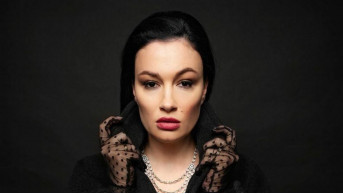
Anastasia Prikhodko's Bold Stance: Eurovision and Ukraine's Cultural Dilemma

In a stunning revelation that has sparked widespread debate, Ukrainian singer Anastasia Prikhodko has voiced her candid opinion on Ukraine's participation in the Eurovision Song Contest. While acknowledging the contest's role in elevating Ukrainian culture on a global stage, Prikhodko argues that amidst the ongoing war, its relevance is now questionable.
A Cultural Dilemma in Times of War
Ukraine's participation in Eurovision has always been a source of national pride, a chance to showcase cultural richness on a global platform. However, Prikhodko's remarks challenge this perception, urging a reevaluation of priorities. She raises a critical point: "At a time when our nation is engulfed in conflict, is Eurovision truly essential?"
"I, as a person from the cultural front, must say: 'Yes, it is necessary for Ukraine, it's the development of our culture.' But truth be told, it doesn’t matter now."
Financial Concerns and Ethical Questions
Prikhodko's critique also touches on financial implications. Participating in such an esteemed contest requires substantial budget allocations. These funds, she asserts, might be better used for pressing national needs, such as improving conditions for displaced individuals within the country. Her perspective is clear: cultural pursuits should not overshadow humanitarian imperatives.
A Broader Discussion on Cultural Engagement
Prikhodko's stance opens up a broader discussion on how nations prioritize cultural activities during challenging times. While some view Eurovision as a temporary escape, offering artists a platform for growth and competition, others, like Prikhodko, see it as a misallocation of resources during a crisis. This debate is not only about Eurovision but also about how global events can align with a nation's immediate priorities.
As the discourse continues, Ukraine finds itself at a crossroads, balancing cultural expression with urgent humanitarian needs. This conversation, ignited by Prikhodko's bold statements, underscores the ongoing struggle to find harmony between artistic endeavors and the harsh realities of wartime.
Editor: Emiliia Morozova