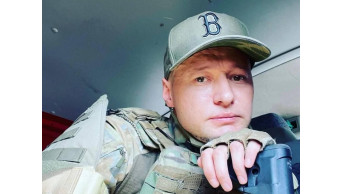
Andriy Khlyvnyuk's Bold Stand: Language and Identity in War Times

In a recent interview, Andriy Khlyvnyuk, the charismatic leader of the Ukrainian band "Boombox, " shared his candid thoughts on the complexities of language and identity amidst ongoing conflict. As the world watches, his words resonate with many.
Language as a Trigger: The Power of Words
Khlyvnyuk's reflections on language during wartime offer a profound insight into the human psyche. He emphasizes how language can become a defining trigger for distinguishing friends from foes. "In times of hardship, humans instinctively react to familiar versus foreign, " he asserts, drawing a poignant picture of language as a weapon and a shield.
"A hostile language will always be hostile, while a native one remains eternally dear, " he notes, highlighting the irreversible impact of current conflicts on personal perceptions and societal norms.
The Dilemma of the "Good Russian"
In the same conversation, Khlyvnyuk touches on the contentious topic of so-called "good Russians" supporting Ukraine. His skepticism is palpable as he questions the authenticity of such support, despite claims of artistic or dissident stances.
"You can prove 300 times that this is an artist, a poet, a dissident... but the trigger is already set, " he remarks, capturing the deep-seated mistrust that has taken root.
A New Chapter in History: What Lies Ahead?
Khlyvnyuk's statements underscore a larger narrative of cultural and national identity in flux. As Ukraine navigates its path through war and peace, voices like Khlyvnyuk's remind us of the intricate layers of human experience. His perspective invites a broader reflection on how language, history, and personal identity intertwine, shaping the course of nations.
In a world that often seeks simple answers, Khlyvnyuk's reflections compel us to ask difficult questions and confront uncomfortable truths. As Ukraine continues its journey, the power of language and identity will undoubtedly remain at the forefront of its story.
Editor: Emiliia Morozova