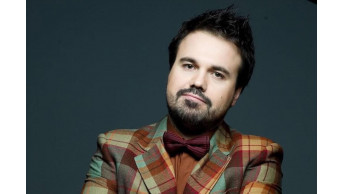
Anton Lirnyk's Comedic Response to "Foreign Agent" Status in Russia

In a surprising twist of political theater, Ukrainian comedian Anton Lirnyk finds himself at the center of a new Russian charade, being labeled a "foreign agent" by the country’s Ministry of Justice. This development, marked by typical bureaucratic drama, did not ruffle Lirnyk's feathers; rather, it fueled his creative spirit, prompting an ironic response that left many chuckling.
Humor as Resistance: Lirnyk's Sardonic Reaction
Lirnyk, renowned for his sharp wit and fearless commentary, was quick to address the new title through a cheeky Facebook post. He alluded to his recent project, a monologue inspired by Leonid Filatov’s "The Tale of Fedot the Archer, " humorously suggesting it might have irked Russian officials. Clearly, Lirnyk's comedic art remains potent enough to provoke officialdom.
"Someone in Russia watched my monologue. I'm glad it got such a reaction. If you haven't seen it yet, I recommend it. To Russian officials: I've been a foreign agent by passport since the beginning. But thanks for recognizing my work, " quipped Lirnyk.
A Digital Passport to Identity
Accompanying his post was a photo of his Ukrainian passport, a symbol of his enduring national identity despite Russia's attempts to brand him otherwise. Lirnyk's allegiance to Ukraine remains steadfast, serving as both a personal statement and a public declaration of defiance in the face of geopolitical tensions.
The "Foreign Agent" Club: A Satire of Modern Censorship
Joining Lirnyk in this exclusive club are several other notable figures, including blogger Rustem Adagamov and journalists Ilya Azar and Zhanna Agalakova. Their inclusion highlights Russia's ongoing campaign to muzzle dissent, labeling those who voice opposition to its policies as "foreign agents." This tactic, reminiscent of Cold War era paranoia, underscores the lengths to which the Russian regime will go to control narratives.
The Bigger Picture: Artistic Freedom Under Fire
Lirnyk's experience is part of a broader struggle for artistic expression and freedom. His ability to transform personal and political adversity into humor reveals the enduring power of comedy as a form of resistance. It also raises questions about the role of artists in challenging authoritarian regimes and the impact of their work in shaping public discourse.
As Lirnyk continues his career from Europe, his story serves as a reminder of the resilience of those who stand up for their beliefs, armed only with words and wit.
Editor: Yana Davydiuk