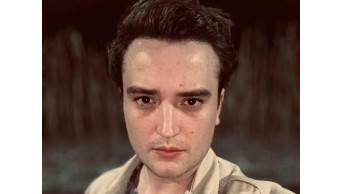
Power of Language: Vyacheslav Hostikoiev Reveals Why He Never Went to Russia

In an industry where opportunities often come knocking from unexpected quarters, Ukrainian actor Vyacheslav Hostikoiev stands as a beacon of principled choice. At a time when many artists might have been tempted by offers to work in Russia, Hostikoiev's dedication to his roots and language shines brightly.
The Temptation of Opportunity
Before the full-scale invasion, Hostikoiev received numerous offers to study and act in Russian cinema. Such proposals are alluring, often promising stardom and financial gain. However, Hostikoiev, guided by a strong maternal influence, chose a different path.
"I'm grateful to the universe for somehow shielding me. They offered me roles, and positions in some institute. But my mother, she seemed to know, " Hostikoiev shared, attributing his decision to the intuitive wisdom of his mother, Ukrainian actress Natalia Sumskaya.
A Maternal Intuition
Sumskaya's influence was not just about career choices; it was deeply rooted in cultural and linguistic identity. She consistently encouraged Hostikoiev to speak Ukrainian wherever he was, whether in interviews or casual conversation. This advice became more than just a suggestion; it was a guiding principle.
"Speak Ukrainian, my son! No matter where you are, always speak your language, " Hostikoiev recalled his mother's words, reflecting on how they shaped his artistic and personal identity.
Language as a Weapon
With the outbreak of war, Hostikoiev's dedication to the Ukrainian language intensified. He views language as a crucial tool in Ukraine's cultural arsenal, a sentiment that resonates with many fellow countrymen.
"When the war began, it hurt. Yet, it became clear that we, as Ukrainians, must speak our language. Now, it is truly our weapon, " he affirmed.
A Cultural Stance
Hostikoiev's story is not just about personal choices but also about cultural resilience. In a world often driven by expedience, his commitment to his language and his roots offers a narrative of strength and integrity. His story encourages others to treasure their heritage and recognize the power embedded in language and identity.
Editor: Emiliia Morozova