Luxury Car Buyers Shun EVs: Status Still Reigns Supreme

Luxury car enthusiasts seem to be pumping the brakes when it comes to embracing electric vehicles (EVs). Despite their booming popularity and improved features, EVs have yet to capture the hearts of the affluent elite. While the global market, especially in China, is accelerating towards electric mobility, the premium segment remains stuck in neutral.
The Prestige of Exclusivity
For wealthy consumers, cars are not just about horsepower or green credentials. They're a statement of exclusivity and status. Traditional internal combustion engine (ICE) vehicles continue to serve as a prestigious symbol of wealth and privilege, which explains why iconic brands like Lamborghini and Ferrari are treading cautiously on the road to electrification.
"Electric cars have lost their unique allure as they become more mainstream, " industry insiders suggest.
The Challenge of Standing Out
Porsche's decline in Taycan sales and Rimac's challenges in selling the innovative Nevera highlight a crucial issue—EVs are becoming too commonplace. As these vehicles become more accessible, they lose the very uniqueness that once attracted high-end buyers.
Rolls-Royce: The Exception to the Rule
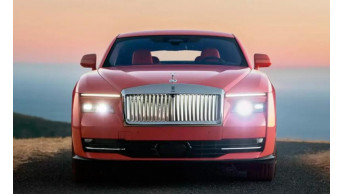
Rolls-Royce, however, has defied this trend with its successful Spectre model, showcasing a unique blend of luxury and innovation. The Spectre's success suggests that while the majority may resist, there's room for exceptions that marry tradition with cutting-edge technology.
The Emotional Connection
For many VIP customers, the raw emotion of driving a roaring engine and the unique auditory experience of traditional vehicles outweighs the quiet hum of an electric motor. It's not just about getting from A to B; it's about the journey and the status it conveys.
Looking Forward
As EVs become a crucial part of the automotive world, their battle to compete with the sensory and status offerings of ICE vehicles continues. The future may see a shift, but for now, the luxury car market holds onto its legacy of opulence.
Editor: Emiliia Morozova