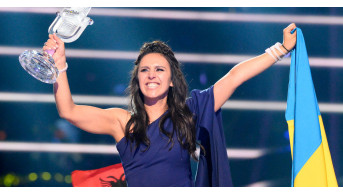
Jamala's Eurovision Victory: A Journey of Emotion and Heritage

The triumph of Jamala at the Eurovision Song Contest 2016 remains a milestone in the world of music, a moment that transcended the boundaries of art to touch the depths of history and personal emotion. With her haunting performance of "1944, " a song that echoes the enduring pain of her Crimean Tatar ancestry, Jamala not only won the hearts of millions but also captured the attention of significant global figures.
Jamala's Emotional Journey at Eurovision
Navigating the waves of criticism and praise alike, Jamala's path to victory was anything but simple. While some viewed her entry as controversial, the underlying truth and raw emotion of her song struck a chord with many. The song, which features a poignant Crimean Tatar chorus, was a first for Eurovision, and it did not go unnoticed by the international community.
"I felt like I was revealing something very personal, like taking a piece of my heart out for the world to see, " Jamala reflected.
A Presidential Seal of Approval
Amidst the cacophony of voices, one particularly notable endorsement came from the President of Turkey, Recep Tayyip Erdoğan. His call to Jamala was not just a mark of support, but a celebration of cultural unity and the significance of bringing a Turkic language to such a prominent stage.
"It felt like taking something from home and presenting it to the world, " Jamala said of her performance.
A Legacy Beyond Music
The impact of Jamala's win extends far beyond the Eurovision stage. Her song, a tribute to her great-grandmother's story and the history of the Crimean Tatars, served as a powerful reminder of the resilience of a people and the universal language of music. The resonance of "1944" continues to echo, inspiring conversations about heritage and identity.
As the dust settled, Jamala's victory became more than just a musical achievement; it was a cultural watershed that highlighted the power of personal stories to inspire change and understanding.
Editor: Yana Davydiuk