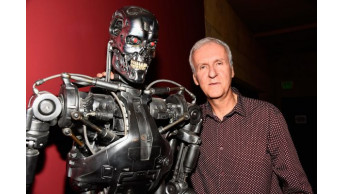
James Cameron Embraces AI: A Creative Shift or Strategic Move?

In a surprising turn of events, celebrated filmmaker James Cameron, known for his skepticism towards artificial intelligence, is now embracing it with open arms. This notable shift comes as Cameron joins the board of directors at Stability AI, sparking both intrigue and criticism within the industry.
A Paradigm Shift in Filmmaking
James Cameron's newfound interest in AI marks a significant pivot from his previous stance, where he warned against the potential societal threats posed by the technology. His decision to collaborate with Stability AI, the creators of the innovative Stable Diffusion model, suggests a strategic move to harness AI's capabilities for visual effects in filmmaking.
"My goal is to understand this field, not to make a fortune. I want to see what developers aim for, their development cycles, and integrate this into VFX workflows, " Cameron stated.
The director's recent interview revealed his curiosity about AI's potential to halve blockbuster production costs, a prospect that could revolutionize the industry.
The Cost of Innovation
Cameron's latest film, "Avatar: The Way of Water, " reportedly had a budget of $400 million, largely due to its reliance on cutting-edge computer graphics. The potential to reduce such expenses using AI tools is undoubtedly appealing, though it raises questions about the impact on creativity and employment within the industry.
Critics have voiced their concerns over Cameron's embrace of AI, questioning whether the director's pursuit of technological advancement might compromise the artistry and authenticity of filmmaking. Amid these debates, Cameron remains resolute in his quest to explore AI's potential, challenging the status quo while aiming to enhance cinematic storytelling.
Industry Reactions and Future Implications
The reaction from fans and industry professionals has been mixed. Some applaud Cameron's forward-thinking approach, while others express apprehension. "Why is James Cameron endorsing this AI-enhanced image quality for his films?" skeptics wonder. "I thought only internet commenters appreciated such improvements."
As Cameron navigates this new chapter, the film industry watches closely, anticipating how AI integration might shape future productions. The implications of this technological embrace extend beyond cost savings, potentially setting new standards for visual excellence and creative processes in cinema.
Editor: Yana Davydiuk