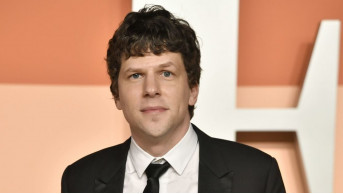
Jesse Eisenberg's Polish Citizenship: A Hollywood Star's Homage to Heritage

In a world where identity often transcends borders, Hollywood actor Jesse Eisenberg has made a profound statement by embracing his Polish roots. Recently, the actor known for his roles in "Zombieland" and "The Social Network" was granted Polish citizenship, a move that resonates with historical significance and personal meaning.
Rediscovering Roots: Eisenberg's Journey to Polish Citizenship
Jesse Eisenberg's pursuit of Polish citizenship is not just a formality; it's a heartfelt connection to his past. This spring, Eisenberg submitted his application, driven by a desire to honor his Polish ancestry. His family history is intertwined with the small Polish town from which his forebears emigrated during World War II, seeking refuge in the United States.
"I am delighted that people from all over the world remember their origins and wish to maintain a connection with our country, " expressed President Andrzej Duda during the ceremony.
A Ceremony to Remember: Officially Becoming a Polish Citizen
On March 4th, at the Polish Representation to the United Nations in New York, Eisenberg officially became a Polish citizen. The ceremony was an emotional moment, marked by President Andrzej Duda's presence, who personally handed over the citizenship documents to the actor. For Eisenberg, this wasn't just a legal change but a celebration of heritage and identity.
The Broader Context: A Symbol of Cultural Unity
Eisenberg's decision highlights a growing trend among celebrities to embrace their heritage, bridging cultural divides and showcasing the importance of history in shaping identity. This move could inspire others in the entertainment industry to explore their own multicultural backgrounds, further enriching the tapestry of global cinema.
As Eisenberg embarks on this new chapter of his life, his dual citizenship stands as a testament to the power of heritage and the timeless bonds that connect us to our roots. This journey of rediscovery not only enriches his personal narrative but also reinforces the notion that our identities are a mosaic of past and present.
Editor: Yana Davydiuk