Dantes and Zinkovskiy's Bold Duel: Art Meets Provocation

In a bold intersection of history and contemporary art, Kharkiv witnessed an extraordinary performance by singer Volodymyr Dantes and artist Hamlet Zinkovskiy. Their unique 'duel' with a bust of renowned Russian poet Alexander Pushkin has sparked intrigue and discussion, challenging the boundaries between art and commentary.
A Bold Artistic Statement
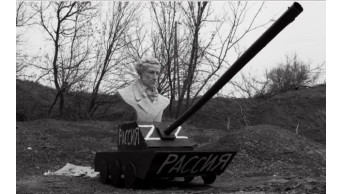
Celebrating the anniversary of the historic duel between Pushkin and D'Anthes, Dantes and Zinkovskiy orchestrated a modern-day reenactment, but with an unexpected twist. In the video, Dantes approaches a bust of Pushkin placed atop a symbolic tank, boldly marked with the letter 'Z'. The scene sets a charged atmosphere, as the bust becomes a focal point for artistic expression.
The Drama Unfolds
Hamlet Zinkovskiy, standing as the voice of reason, offers Dantes a chance for peace, urging them to 'part with peace'. However, Dantes, embodying defiance, rejects the offer and strides away. What follows is a dramatic climax where the Pushkin bust is shattered by a tank shot, symbolizing a break from tradition and inviting viewers to question the constraints of historical reverence.
"This performance is a provocative exploration of past conflicts reimagined in today's world, " remarked an observer.
Historical Context and Modern Commentary
This artistic endeavor transcends mere performance, echoing historical narratives while commenting on present-day issues. The choice of Pushkin and the symbolism of the tank highlight tensions between cultural heritage and modern criticism, challenging audiences to reflect on the persistence of historical ideologies in contemporary society.
The Aftermath and Reflections
The performance has stirred a spectrum of reactions, from admiration for its boldness to criticism for its audacity. Regardless of stance, the event has successfully sparked dialogue, proving once again the power of art to provoke thought and inspire change. As the dust settles, both Dantes and Zinkovskiy leave us pondering the question—are we bound by history, or can we redefine it?
Editor: Emiliia Morozova