"Oxygen Station" Debut: A Tale of Resilience and Struggle

"Oxygen Station, " a film that has been in the making for a decade, finally hit the Ukrainian theaters on April 10. This cinematic piece is not just a story; it's a symbolic portrayal of Mustafa Dzhemilev's relentless fight for freedom and identity. But what makes this film resonate so deeply?
The Journey of "Oxygen Station"
The creation of "Oxygen Station" was a laborious journey. Directed by Ivan Tymchenko, the film's concept took a decade to materialize, echoing Hollywood stories like Ted Kotcheff's "First Blood" which faced similar production hurdles. However, the Ukrainian landscape presents unique challenges due to ongoing conflicts and cultural invasions.
"Oxygen Station symbolizes not just a physical space but a state of constant fear, " the creators explain.
This film is a tribute to Dzhemilev's struggle, a man who fought for recognition and rights for the Crimean Tatars under oppressive regimes. His story is a testament to resilience, reflecting a journey of resistance similar to that of a samurai's path.
A Cinematic Canvas of Struggle
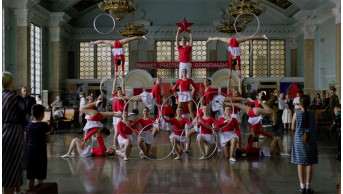
The film paints the late Soviet era through Mustafa's lens as he faces exile in Yakutia. Unlike conventional biopics, "Oxygen Station" delves into the mundane yet profound moments of his life, emphasizing the psychological battles rather than physical confrontations. This makes the film a compelling "detective story, " with KGB forces scheming against Dzhemilev.
Reimagining Heroism
Casting Kyiv native Boris Orlov and Poltava-born Khrystyna Deylyk adds a layer of creative interpretation to the narrative. This symbolic portrayal underscores the film's message: Dzhemilev's struggle was more than a personal battle; it was a fight for a culture's survival.
A Call for Awareness
The film's release is a significant cultural event, yet its impact hinges on awareness. "Oxygen Station" demands educational integration, urging schools to incorporate such films into curriculums, fostering understanding among future generations.
"Oxygen Station" is not merely a film; it's a call to remember the past and recognize the ongoing struggles for identity and freedom.
Editor: Emiliia Morozova