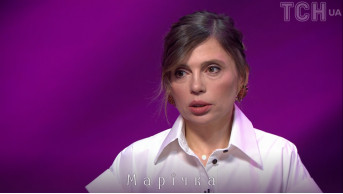
Irena Karpa's Bold Stance: Ukrainian Language Abroad

In a world where language often serves as a cultural bridge, Irena Karpa, a renowned musician and writer, has sparked a conversation on the importance of linguistic identity for Ukrainians living abroad. Karpa argues passionately that speaking Ukrainian, especially outside of Ukraine, is not just a matter of communication but a declaration of identity.
Ukrainian Identity and the Power of Language
For many Ukrainians, their native tongue is more than just a language; it's a symbol of resilience and autonomy. Karpa's recent comments have ignited a debate on how Ukrainians should navigate their linguistic preferences when overseas. Her call for embracing the Ukrainian language reflects a broader movement towards preserving cultural identity in the face of globalization.
"You are perceived as Russians. Please, dear people, make an effort, do not cripple your children, speak Ukrainian with them, " Karpa expressed with fervor.
Challenges of Language Transition
While some may view this transition as straightforward, the reality is often more complex. Many Ukrainians have historical ties to the Russian language, owing to decades of Soviet influence. Karpa acknowledges this complexity, noting that those in Ukraine speaking Russian do not trigger her in the same way as those abroad.
"In Ukraine, Russian doesn't trigger me; I understand they are Ukrainians. But I don't understand this choice, " she elaborated.
The Broader Impact
Karpa's perspective resonates with many who feel that language is a cornerstone of national identity. Her statements underscore the tension between personal freedom and cultural preservation. As Ukrainians continue to define their identity in a global context, the choice of language becomes a powerful statement, echoing far beyond words.
In a landscape where identity is fluid, Karpa's stance challenges Ukrainians to consider what their language says about them and their nation. Her words call for a renewed sense of pride and a commitment to linguistic heritage, paving the way for a more unified cultural identity.
Editor: Emiliia Morozova