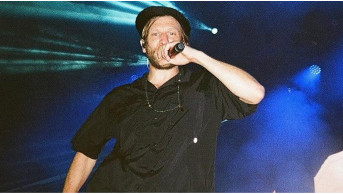
Ivan Dorn's Controversial Performance in Germany Sparks Debate

In the world of fashion and music, few names ignite as much passion and debate as Ivan Dorn. Recently, the Ukrainian singer found himself at the center of a social media storm following a performance in Germany. The event, which took place on January 12, featured Dorn alongside so-called "good Russians, " a choice that didn't sit well with many of his compatriots.
A Controversial Performance
Dorn took the stage with bold statements emblazoned on posters reading "refugee" and "actually, I'm Ukrainian." His performance concluded with the heartfelt wish: "May we win." Yet, it was the company he kept that drew ire from some quarters. Dorn, however, chose not to remain silent and shared a screenshot of a text exchange with his mother. The message included a poignant poem by the renowned poet Lina Kostenko, beginning with the line:
"Forgive me, my exhausted people, for I am silent. Allow me to stay silent."
Mixed Reactions and Celebrity Support
Dorn's social media post, captioned succinctly with, "Love you all, my good ones, " along with two hearts in the colors of the Ukrainian flag, received a mix of reactions. Among those offering support were former VIA Gra member, singer Vera Brezhneva (now performing as VIRA), and other celebrities like Zlata Mitchell and Anastasia Kozhevnikova.
A Divided Audience
While the singer received backing from several celebrities, there were those who criticized his actions. Blogger Bohdan Bespalov voiced his disapproval, suggesting Dorn's motivations were driven by financial and ego-centric concerns. A comment from an Instagram user even likened him to a "snake" for not abandoning the Russian language in his performances.
Despite the criticism, Dorn chose not to engage in the comment section. His continued association with Russian artists raises questions about the intersection of art and politics in a highly polarized world.
The Broader Implications
Ivan Dorn's performance shines a light on the broader debate over cultural collaboration in times of geopolitical tension. As public figures navigate these complex dynamics, their choices reflect the ongoing struggle to balance personal convictions with public expectations.
As Ukraine continues to forge its identity on the global stage, artists like Dorn grapple with their roles in representing and challenging national narratives. This incident serves as a reminder of the powerful impact of art and its potential to both unite and divide.
Editor: Yana Davydiuk