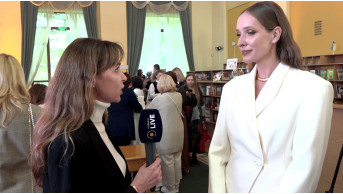
Katya Osadcha Calls for Language Shift: A Bold Step for Ukraine's Future

In a passionate call to action, renowned Ukrainian TV host Katya Osadcha urged Russian-speaking parents to transition to the Ukrainian language, emphasizing the long-term consequences for their children. This plea comes amidst concerns that future generations could be at risk due to linguistic ties to Russia.
The Urgency of Language Transition
Osadcha's message is more than a cultural suggestion; it's a strategic move to fortify national identity. "It's crucial for our children's future, " she insists, urging families to embrace Ukrainian at home. Her own experience with her young son, who predominantly hears Russian on the playground, underscores the pressing need for change.
A Cultural Shift with Historical Roots
Osadcha's concerns are deeply rooted in history. The linguistic landscape of Ukraine has been shaped by decades of political tension with Russia. Transitioning to Ukrainian is not just about language but reclaiming identity and autonomy, preventing future justifications for external interference.
Overcoming Challenges in Language Learning
Acknowledging the difficulties, Osadcha reassures that learning Ukrainian is remarkably accessible compared to other languages. "It's not like learning Chinese, " she notes, emphasizing the ease of integrating Ukrainian into daily life with small, consistent efforts.
Potential Future Risks
The TV host paints a vivid picture of a future where linguistic ties could once again invite unwanted "rescue" from Russia. Her call highlights a preventive measure against geopolitical vulnerabilities linked to language.
The Path Forward
Osadcha's advocacy for language transition is more than a personal preference; it's a call for national solidarity. As Ukrainian schools prepare for graduation ceremonies, her message serves as a timely reminder of the cultural and political significance of language.
Editor: Emiliia Morozova