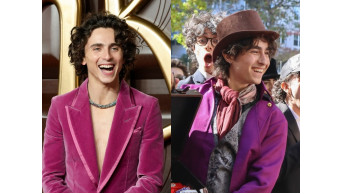
New York's Look-Alike Craze: How Impersonators Take the World by Storm

The streets of New York recently became the stage for a spectacular event that captured the imagination of fans and fashionistas alike. A look-alike contest for fans of actor Timothée Chalamet, who is celebrated for roles in films such as "Dune" and "Willy Wonka, " turned into a cultural phenomenon.
From Chaos to Charm: A Viral Sensation
What began as a seemingly chaotic gathering, complete with police presence and a $500 fine for the organizer due to lacking official permits, evolved into a viral sensation. The event reached its peak when Timothée Chalamet himself appeared, humorously "losing" the contest to his own impersonators.
"Everyone understood the absurdity and just how silly it all was, " said Anthony Poe, the YouTube creator behind the event.
This lighthearted chaos was only the beginning. Once highlighted on the popular comedy show Saturday Night Live, the contest inspired a global wave of similar events. Cities worldwide have embraced the trend, hosting their own look-alike competitions for local stars.
A Global Movement of Doppelgängers
Following New York's footsteps, places like Dublin, London, and San Francisco are seeing their own versions of these gatherings. Whether it's a contest for Harry Styles' look-alikes in London or Dev Patel's in San Francisco, thousands of fans come together, drawn by the shared joy and camaraderie these events offer.
Celebrating Community and Connection
The impact of these contests extends beyond mere imitation. In Chicago, a gathering for Jeremy Allen White impersonators highlighted how these events foster community interaction. "It's a chance to come together, have some fun, laugh, and connect with others, " remarked Ben Shabad, the event's winner.
The Evolution of Impersonation Contests
Historically, look-alike contests have existed for decades, orchestrated by marketing agencies and studios. Even Charlie Chaplin took part in one for his own impersonators a century ago. However, the modern twist lies in their grassroots, social media-driven nature.
In conclusion, the Timothée Chalamet look-alike contest has not only sparked a global trend but also showcased how light-hearted entertainment can unite people. As these gatherings spread, they underscore a universal desire for connection and community in our increasingly digital world.
Editor: Emiliia Morozova