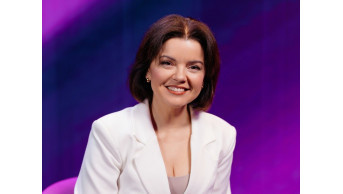
Ukrainian Anchor Refuses Services in Russian: A Bold Stance

Marichka Padalko, a well-known Ukrainian TV anchor, recently made headlines with her outspoken stance against receiving services conducted in Russian. Her commentary on the social media platform Threads has sparked discussions and debates about language use in Ukraine, particularly in the realm of fitness classes.
A Clear Stand on Language Preferences
In an era where individual preferences can stir societal debates, Padalko’s decision to reject services in Russian for herself and her children is a bold and personal one. This came to light when she responded to a post by a user who faced backlash at a yoga class. According to the post, the user was criticized by the entire group for refusing to participate in a session led in Russian. Padalko's empathy and solidarity with the user was evident as she shared her own experience of opting for services that align with her linguistic preferences.
"I do not finance services in Russian [language] for myself or my children, " Padalko asserted.
The Backlash and Support
The conversation surrounding language use in Ukraine is not new but remains a contentious topic. The incident in the yoga class, where the instructor allegedly claimed no obligation to know Ukrainian, highlights the ongoing tension. Padalko’s decision to pay more for services conducted in Ukrainian rather than settle for those in Russian underscores a broader cultural and political statement.
Historical Context and Broader Implications
Ukraine's complex linguistic landscape has been shaped by its history and geopolitical tensions. Choosing service providers based on language is more than a personal preference; it is a reflection of identity and cultural allegiance. Marichka’s stance is emblematic of a larger movement advocating for cultural autonomy and national identity.
A Personal Choice with Wider Resonance
From a personal decision to an emblematic stand, Padalko's actions resonate with many who find themselves balancing between personal convictions and societal norms. Her story is a reminder of the power of choice and the impact of individual decisions in the broader cultural narrative.
Editor: Emiliia Morozova