Language Controversy Hits Poland's Eurovision Selection, Sparking Debate

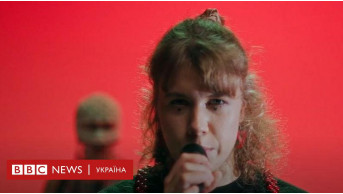
The Polish national selection for Eurovision 2025 has become the center of a linguistic storm, igniting vibrant discussions across the nation. At the heart of the controversy is the song "Lusterka" by the duo Sw@da i Niczos, performed in a Pidlashian dialect—a rich blend of Polish, Ukrainian, and Belarusian languages. This unique choice has sparked passionate reactions among Eurovision fans and beyond.
A Melting Pot of Linguistic Heritage
The Pidlashia region, nestled in southeastern Poland, carries a tapestry of historical influences from neighboring countries. Its dialect embodies this complexity, representing a living testament to the area's multicultural past. However, as Sw@da i Niczos advanced to the finals, the dialect's authenticity and place in a Polish competition came under scrutiny.
"It's such a Pidlashian dialect that even residents of Pidlashia have never heard of it!"
The backlash, with some critics dismissing the song as incomprehensible or not Polish enough, contrasts sharply with the pride expressed by Pidlashia locals. Many feel a newfound validation for a dialect they once hid, now celebrated on a national stage.
Bridging Cultures or Stirring Controversy?
Nika Yurchuk, a member of the duo, has taken to social media to clarify their intentions. "We wanted to show that Poland is not monolithic, " she explains, highlighting the rich diversity within border regions. Her statement underscores a broader cultural conversation—how modern Poland negotiates its identity amidst a backdrop of historical and linguistic fluidity.
This year's change in Eurovision selection rules, allowing regional languages and dialects, has provided a platform for such expressions. However, it also raises questions about national identity and cultural representation on an international stage.
Looking Ahead: Impact on Eurovision Outcome
As the tension unfolds, the outcome of Poland's Eurovision selection remains uncertain. Sw@da i Niczos currently stand second in popularity, trailing behind Justyna Steczkowska's "Gaja." The final decision rests with the audience, who will soon reveal how much they embrace Poland's multilingual tapestry.
The result not only determines who represents Poland but also reflects the country's acceptance of its cultural mosaic—an acceptance that could set a precedent within the Eurovision community.
Editor: Yana Davydiuk