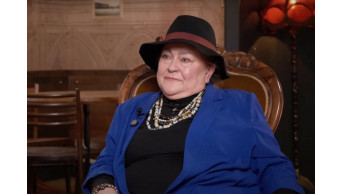
Nina Naboka's Bold Stance on Russian Music Sparks Debate

In a stirring declaration that has captured public attention, Ukrainian actress Nina Naboka has voiced her strong disapproval of Russian music being played in Ukraine amidst the ongoing conflict. Best known for her role in "Catch Kaidash, " Naboka's passionate commentary reflects the intense emotions surrounding cultural identity during wartime.
A Controversial Perspective: Naboka's Call to Action
Naboka's recent comments have provoked a widespread discussion. Expressing her dismay at the continued preference for Russian content, she stated plainly that those who indulge in it are turning a blind eye to the daily tragedies. Her proposal for addressing the issue was as drastic as it was bold: she suggested holding not only the youths responsible but also their parents, even advocating for the conscription of young adults who fail to recognize the weight of their actions.
"I would simply jail these kids along with their parents. Why not send these people to the army?" Naboka questioned, proposing that firsthand experience might enlighten them.
Historical Echoes and Modern Realities
Naboka's comments come in the aftermath of a tragic event in Sumy, where a missile strike resulted in numerous casualties. Her stance is not just about music; it is a reflection of broader societal struggles and the pain of witnessing ongoing destruction. The incident involving Kyiv teenagers listening to Russian songs shortly after this tragedy ignited a fiery debate, one that Naboka entered with palpable intensity.
Navigating Emotions and Seeking Solace in Work
In her interview, Naboka also shared personal insights into her emotional landscape during these turbulent times, revealing her struggle to maintain peace amidst the chaos. She described her attempts to find comfort in her work, striving to shield herself from the relentless tide of distressing news.
"Sometimes it feels like a nightmare I hope to wake up from, " she confessed, encapsulating the shared anguish of many Ukrainians.
As the conflict continues, Naboka's words underscore a pivotal cultural conversation: the role of art and media in times of national crisis. Her courage to speak out shines a light on the power of public figures to influence and inspire.
Editor: Yana Davydiuk