Meta-Viewers Revolutionizing the Film Industry: A New Era of Audience Control?

In the age of rapid digital transformation, the film industry is witnessing a seismic shift as meta-viewers take center stage. Once relegated to the roles of spectators, this dynamic and demanding community now plays a pivotal role in shaping cinematic narratives, acting as both the industry's staunchest allies and fiercest critics.
The Rise of Meta-Viewers: From Passive Spectators to Active Creators
The concept of meta-viewers stems from the "participatory culture" described by scholars such as Henry Jenkins. No longer content with merely consuming content, fans have become integral to the creative process, from writing fan fiction to organizing viral campaigns like #ReleaseTheSnyderCut. This evolution sees audiences morphing into co-creators, dissecting marketing strategies, discussing behind-the-scenes details, and forming global fan coalitions.
"Fan activity has become a real tool of influence. A single post on Reddit, spread across Twitter or TikTok, can instantly change the course of events, " comments Josh Kelly, an online campaign consultant.
Case Studies: Sonic and Snyder as Catalysts for Change
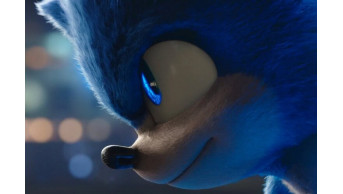
The power of meta-viewers was starkly illustrated in the *Sonic the Hedgehog* controversy of 2019. Paramount Pictures, facing a backlash over the character's design, made a costly decision to delay the film and revamp Sonic's appearance. The gamble paid off, resulting in a box office haul of over $300 million. Similarly, Warner Bros.' experience with *Justice League* highlighted the influence of fan movements, as the #ReleaseTheSnyderCut campaign led to a revised release on HBO Max, capturing significant audience engagement.
Navigating the New Dynamics: Industry Adaptation and Challenges
Film studios are now acutely aware of the financial and reputational stakes involved. Test screenings are becoming the norm, and audience feedback increasingly dictates creative decisions. The stakes are high, as negative reception can lead to substantial losses, as evidenced by the mixed reaction to projects like *Ghostbusters* (2016) and Amazon's *The Rings of Power*.
As meta-viewers continue to reshape the landscape, studios must balance creative vision with audience expectations, embracing this new reality where the line between creator and consumer blurs. The challenge lies in harnessing this potent force for success while navigating the complexities of fan engagement.
Editor: Emiliia Morozova