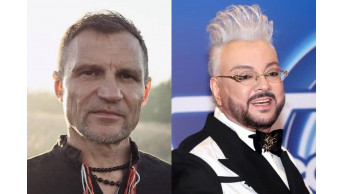
Behind the Scenes Drama: Oleksandr Skrypka's Real-Life Tensions with Philipp Kirkorov

The glittering world of musicals often hides the real-life drama that unfolds behind the curtains. In the making of the popular Ukrainian musical "Evenings on a Farm Near Dikanka, " a real-life skirmish between two celebrated artists came to light. Oleksandr Skrypka, renowned for his rock persona, found himself at odds with the flamboyant pop artist Philipp Kirkorov.
Creative Tension: Skrypka's Discontent
The conflict arose during the filming of the musical under the direction of Semen Horov. Skrypka, a stalwart of rock music, was extremely reluctant to share the screen with artists from the pop genre, particularly Kirkorov, whose presence seemed to irk him significantly.
"Oleksandr was quite adamant initially. His resistance stemmed from the idea that the musical was saturated with pop artists, which clashed with his rock identity, " commented Semen Horov.
The director faced a daunting task in convincing Skrypka to take part in the project. However, the potential for Skrypka’s character to give Kirkorov’s character a comical slap on screen became a turning point. This humorous aspect appeased Skrypka, providing a theatrical outlet for his real frustrations.
From Reluctance to Agreement
Horov's clever negotiation paid off. The scene not only added a layer of authenticity to the acting but also played into Skrypka's terms, leading to a successful collaboration that enriched the musical. The irony of translating personal tensions into cinematic moments is a testament to the magic of filmmaking.
Beyond the Scene: A Larger Reflection
This incident, while seemingly trivial, shines a light on the broader dynamics in the entertainment industry, where artistic integrity and personal identities sometimes clash with commercial projects. It encapsulates the perpetual negotiation between creative expression and collaborative production.
As "Evenings on a Farm Near Dikanka" graced the screens, it brought not just entertainment but a slice of reality, reminding us of the complex human stories that often accompany public performances.
Editor: Emiliia Morozova