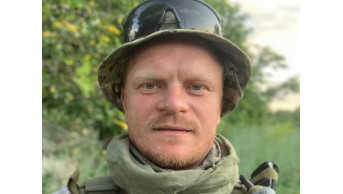
Alexander Pecherytsia's Post-Military Adjustment: Challenges and Insights

Returning from the stark reality of the battlefield to the routine of civilian life is never simple. For prominent Ukrainian actor Alexander Pecherytsia, this transition has been fraught with unexpected challenges.
A New Battle for Pecherytsia
After enlisting in the Ukrainian Armed Forces at the onset of the full-scale war, Pecherytsia spent a grueling year and a half in service. Now, having been discharged due to family reasons, he's facing a different kind of struggle — readjusting to a world where the conversations are no longer about survival, ammunition, or the army.
"Sometimes I ask myself, why am I here when my brothers are still there?" Pecherytsia reflects. His statement underscores a common sentiment among veterans who often find themselves caught between two worlds.
The Psychological Weight of Transition
Pecherytsia emphasizes the importance of psychological rehabilitation, something he believes is essential for all returning veterans. "It's not about shame, it's about healing, " he insists. "Many think they can handle it alone, but there are aspects of ourselves that remain hidden until we seek help."
"There's nothing wrong or embarrassing about it. If you don't know whom to turn to, reach out to me — I can guide you, " Pecherytsia advises fellow veterans.
Beyond the Surface Struggles
Despite returning to his family and familiar surroundings, Pecherytsia admits that some activities, like reading, remain challenging. "Concentration is elusive, " he admits, sharing a glimpse into the lingering effects of his experiences.
His journey now includes training to become a military psychologist, a role that reflects his commitment to aiding others in their transition.
Looking Forward
As Pecherytsia navigates this new chapter, his insights serve as a vital reminder of the hidden battles many veterans face. The call for tailored psychological support and an open discourse about mental health remains crucial.
Editor: Yana Davydiuk