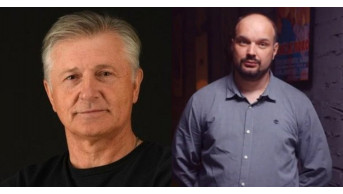
Ukrainian Director "Nest of the Turtle Dove" Reveals Unseen Rift with Actor Stas Boklan

In the glamorous yet tough world of cinema, even the brightest stars may sometimes clash. Such was the case with renowned Ukrainian director Taras Tkachenko and actor Stas Boklan. Tkachenko recently opened up about a past conflict with Boklan, sparking interest and raising eyebrows across the industry.
The Role That Started It All
The friction between Tkachenko and Boklan reportedly arose during the casting for the film "Nest of the Turtle Dove." Boklan, a talented actor, was in the running for a significant role. However, the part ultimately went to another actor, Vitalii Linetskyi. The decision left Boklan feeling disappointed, not because he was rejected, but due to the prolonged audition process led by Tkachenko.
Behind the Scenes: An Emotional Journey
Tkachenko shared that his intentions were never to mislead, but acknowledged his approach might have been misleading. "I tested him extensively, " he admitted, and his behavior led Boklan to expect the role, which was later given to someone else. This situation hit Boklan hard, making him feel undervalued.
"I understand his feelings, " Tkachenko said. "It wasn't about not getting the role, but the emotional blow of my promises and actions."
Towards Reconciliation
Years have passed, but Tkachenko is eager to mend fences. He expressed a strong desire to apologize to Boklan, hoping for a future where they can shake hands and move forward. "I owe him an apology, " Tkachenko stated, recognizing the emotional toll his decisions may have taken. Both men have yet to cross paths again, but the director remains hopeful for a reconciliation.
"I must apologize to him, and I hope one day we can meet and shake hands, " Tkachenko concluded.
Lessons Learned and Future Prospects
This story serves as a reminder of the delicate nature of relationships in the entertainment world. Actors and directors navigate a complex dance of expectations and realities, where emotions can run high and wounds can linger. As Tkachenko looks to the future, this experience may offer valuable lessons in communication and empathy.
Editor: Emiliia Morozova