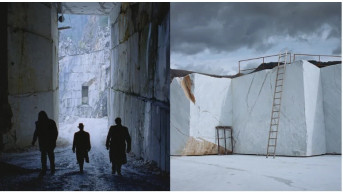
Brutalist's Cinematic Triumph: How Loll Crawley Captured an Epic on Film

In a cinematic era dominated by digital wizardry, "The Brutalist" makes a bold statement by embracing the old-school charm of 35mm film. Crafted through the visionary lens of cinematographer Loll Crawley, this epic narrative captures the resilience and evolution of Hungarian-Jewish architect Laszlo Toth, portrayed by Adrien Brody, amidst the stark realities of post-Holocaust America.
A Unique Cinematic Journey
Crawley's approach to this monumental project was as daring as it was innovative. Working with a budget of under 10 million dollars, the film spans an impressive three and a half hours. Yet, the collaboration with director Brady Corbet was a seamless continuation of their prior works together, including "The Childhood of a Leader" and "Vox Lux." "We never really discussed the runtime, " Crawley shares, emphasizing the creative synergy that underpinned their production process.
Embracing the VistaVision Format
What sets "The Brutalist" apart is not just its narrative depth, but also its technical execution. Shot in the rare VistaVision format, Crawley and Corbet opted for high resolution through an innovative process, creating 70mm copies for festivals and exclusive screenings. This choice not only challenges modern cinematic norms but also pays homage to a bygone era of film-making. Crawley admits,
"It's quite the experience—shooting something so grand on a medium usually reserved for intimate stories."
Pragmatism Meets Vision
The film's production, accomplished in a brisk 34 days, speaks to the efficiency and clarity of vision shared by its creators. Crawley describes Corbet as a "pragmatic director, " one who captures what is essential without superfluous retakes. This meticulous approach is evident in several pivotal scenes shot in a single take, showcasing the director's command over his craft and the powerful performances elicited from his cast.
The Impact of "The Brutalist"
As "The Brutalist" earns its place among the 2025 Golden Globe nominations, it stands as a testament to the enduring allure of traditional film techniques in an increasingly digital world. It invites audiences to reflect not just on the story it tells, but on the artistry involved in bringing such a visual spectacle to life. This film is more than just a viewing experience; it's a call to appreciate the rich tapestry of cinema's past woven into its present.
Editor: Emiliia Morozova