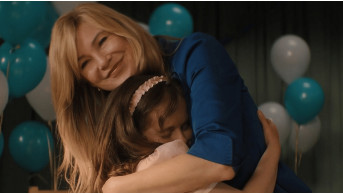
Controversial "The Perfect American Family" Premiere: Drama Beyond Fiction

The premiere of Hulu's latest series, "The Perfect American Family, " has set social media abuzz, stirring emotions and shedding light on a complex real-life story. Natalia Grace, a Ukrainian girl with dwarfism, becomes the focal point of this narrative, as she is adopted by the Barnett family in the U.S. The series unfolds with layers of suspicion, mystery, and a cultural clash that has captivated audiences worldwide.
A Web of Suspicion and Drama
The series draws viewers into the Barnett family's world, painting a picture of love, doubt, and fear. As Natalia's new parents grow suspicious of her true age, questions spiral: Is she really a child, or a woman in disguise? This unsettling premise has left audiences questioning the very fabric of identity and trust.
Viewer Reactions: Divided Opinions
Audiences have been vocal about their dismay with the creative liberties taken in the series. While some applaud the show's dramatic flair, others argue that it strays too far from the truth.
"You're exploiting Natalia's story for profit without telling the truth!"
The authenticity of the portrayal of Natalia has been a point of contention, with viewers expressing discomfort over the sinister depiction of her character.
Cultural Missteps and Backlash
Beyond Natalia's story, the portrayal of Ukraine has sparked outrage, particularly among Ukrainian viewers. They feel the narrative wrongly normalizes human trafficking and crime in their country, casting a shadow over its culture and people.
The Ongoing Impact and Future Prospects
Despite the heated debate, "The Perfect American Family" undeniably raises pertinent questions about family dynamics and the media's role in storytelling. As the series continues to gain traction, it may provoke further discussions about ethics in entertainment and the responsibilities of creators when depicting real-life events.
In capturing the essence of a true story, the show forces viewers to confront their perceptions of family, truth, and representation, leaving one to wonder how the narrative might evolve in potential future seasons.
Editor: Emiliia Morozova