Eurovision Controversy: Did Loboda Buy Her Way to Fame?

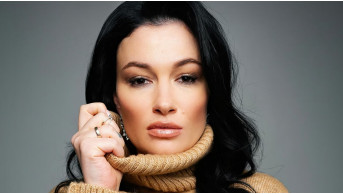
Sparks are flying in the Eurovision world as renowned Ukrainian singer Anastasia Prikhodko has stirred the pot with bold accusations against her fellow artist, Svetlana Loboda. Prikhodko alleges that Loboda secured her spot at Eurovision 2009 for Ukraine through financial means, prompting her own controversial decision to represent Russia that year.
Accusations of Financial Manipulation
In a recent interview, Prikhodko did not hold back her emotions, stating that her dreams were dashed in 2009 due to Loboda’s alleged financial influence. According to Prikhodko, a significant sum was involved, raising eyebrows and questions about integrity in the selection process.
"It was painful to be disqualified because of Loboda. I've mentioned multiple times the fee that was paid for her to go, " Prikhodko stated, adding an emotional layer to an already heated debate.
A Controversial Move: Representing Russia
Despite the setback, Prikhodko’s resilience led her to take a surprising path by representing Russia at Eurovision with her song "Mamo". This decision was met with mixed reactions, emphasizing the complex landscape of international music competitions where politics and art often collide.
Reflections and Regrets
Fast forward to today, Prikhodko reflects on her past with a sense of acceptance. She candidly admits that, despite the circumstances, she harbors no regrets about her choices. Her perspective offers a fascinating insight into the personal and professional challenges faced by artists on such a grand stage.
Impact and Future Implications
The implications of such allegations could have far-reaching effects on the credibility of national selections for Eurovision. It raises critical questions about transparency and fairness, urging a closer examination of the processes that select representatives for one of the world’s most celebrated music competitions.
As the dust settles, the Eurovision community and fans alike are left to ponder the long-term effects of Prikhodko’s revelations. Will this lead to reforms, or will it simply be another chapter in the storied history of Eurovision controversies?
Editor: Yana Davydiuk