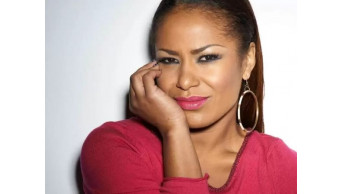
The scandal surrounding Gaitana: why did her post on Instagram cause outrage?

On June 23, Ukrainian singer Gaitana got into a whirlwind of a language scandal after publishing a post in Russian on Instagram. This decision of the singer caused a wave of indignation among subscribers and colleagues.
The post that caused a storm
Gaitana wrote:
"I appreciate life and love my family even more. I bought my first flower in two and a half years... It brings me back the feeling of home. And what brings back the feeling of home to you?"
Reaction of the network: outrage and disappointment
The publication immediately attracted public attention and caused a wave of criticism. Subscribers expressed their dissatisfaction with the use of the Russian language.
"It's a shame to read you in Russian",
- noted in the comments under the post.
Gaitana's answer: language tolerance
The singer explained her choice by the fact that her relatives and friends communicate in different languages, including Ukrainian, Russian, German, English and French. She emphasized the importance of people's actions, not their language affiliation.
"I love, respect and choose people for myself only because of their actions",
- Gaitana answered.
Public position: refusal to tolerate the Russian language
Some subscribers expressed the opinion that during the war it is especially important to switch to the Ukrainian language, especially for public figures.
"Language is the cultural code of a nation, and by your example you continue to tolerate the language of the enemy"
- noted the commentators.
Historical context and career of Gaitana
Gaitana was born in Kyiv, but spent part of her childhood in the Republic of Congo. She started her music career in 1991 and released 11 albums. The singer was also a backing vocalist for famous Ukrainian artists and participated in the recording of cartoons. In her personal life, Gaitan is raising her daughter Nicole together with her husband Alexander Smart.
Analysis and forecasts
The scandal surrounding Gaitana's post once again raises the question of linguistic identity and the role of public figures in the formation of the nation's cultural code. Despite the criticism, the singer continues to adhere to her position. Will it change its language policy in the future? This question remains open.
Editor: Emiliia Morozova