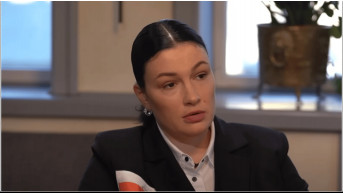
Anastasia Prikhodko Questions Ukraine's Eurovision Participation Amidst War

Amidst the ongoing conflict, acclaimed Ukrainian singer Anastasia Prikhodko has stirred the pot by questioning Ukraine's participation in the Eurovision Song Contest. Prikhodko's candid remarks about the allocation of resources for the competition have sparked a debate on cultural priorities during turbulent times.
Anastasia Prikhodko: A Voice of Reason in Chaotic Times
Prikhodko, a figure who once graced the Eurovision stage herself, boldly argues that the investment in the contest could be better spent on more pressing humanitarian needs. Her stance invites a broader conversation on the role of cultural events in times of crisis.
"While Eurovision offers a platform for our artists to stay relevant, it does little to aid us in our struggle, " she expressed.
Her words resonate with many who feel the same, highlighting the tension between cultural endeavors and urgent socio-economic challenges.
The Cultural Dichotomy: Art vs. Necessity
Prikhodko's perspective underscores a dichotomy between culture and necessity. In her view, while the contest could provide a creative outlet and competitive spirit that artists thrive on, it pales in comparison to the dire needs of displaced citizens.
"Those funds could significantly aid refugees. It's time we prioritize accordingly, " she stressed.
Her comments reflect a broader sentiment among Ukrainians, questioning whether such cultural investments are prudent amidst war.
Historical Context: A Journey from Eurovision to Advocacy
In 2009, Prikhodko took to the Eurovision stage representing Russia with her poignant song "Mamo." Now, years later, she stands as a vocal critic of the same contest. Her journey from participant to advocate for social justice adds a poignant layer to her current position.
Future Implications: Rethinking Cultural Investments
As Ukraine navigates this challenging period, Prikhodko's statements may very well influence future decisions regarding cultural investments. Her call for a reallocation of resources could spark a new wave of policy discussions, emphasizing humanitarian aid over artistic endeavors.
In conclusion, Anastasia Prikhodko's call for change serves as a reminder of the complex decisions facing countries in crisis. As she advocates for the voiceless, her words may inspire a shift towards more impactful uses of national resources.
Editor: Yana Davydiuk