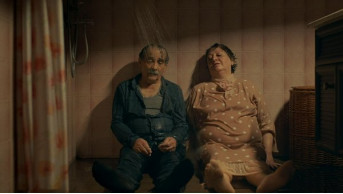
Iranian Filmmakers Face Controversy: The Story Behind "My Favourite Cake"

Iranian filmmakers Maryam Moghaddam and Behtash Sanaeeha recently found themselves at the epicenter of a cultural controversy. Their film, "My Favourite Cake, " has been deemed controversial due to its portrayal of a woman without a hijab, sparking significant discussions about censorship and artistic freedom in Iran.
The Film That Stirred the Pot
"My Favourite Cake" is not just another film—it’s a bold statement. It explores themes that are often considered taboo in Iranian society, such as singing, dancing, and the absence of the hijab in private spaces. The film’s provocative nature earned it accolades at the Berlin Film Festival, where it received the Ecumenical Jury Prize and the FIPRESCI award. Yet, back home, it painted a different picture.
Legal Backlash and Sentencing
The Revolutionary Court in Iran didn’t take kindly to the film's themes. Moghaddam and Sanaeeha have been conditionally sentenced to 14 months in prison, which is deferred for five years, and a fine. They were charged with distributing false information meant to destabilize public opinion, producing vulgar content, and screening the film without a proper license.
A Bigger Picture: Artistic Expression under Threat
This incident sheds light on a more extensive issue—the struggles faced by artists in Iran. The Center for Human Rights in Iran points out that artists encounter increasing censorship, arbitrary detentions, and constant legal threats for expressing dissent through their work.
"We wanted to tell our life story, involving forbidden things like singing, dancing, and not wearing a hijab at home, " Moghaddam shared prior to the sentencing.
The Global Implications
Internationally, the situation draws parallels to restrictive measures elsewhere, such as the 2022 ban on Afghan women from singing in public. These events highlight a global conversation about gender, cultural norms, and artistic freedom.
In conclusion, the case of Moghaddam and Sanaeeha is not just about a film but about a broader struggle for creative expression in a society bound by stringent norms. It remains to be seen how this story will unfold and what it means for future artists daring to challenge the status quo.
Editor: Emiliia Morozova