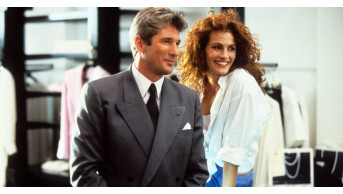
Unraveling the Magic: How "Pretty Woman" Became a Timeless Classic

March 23, 1990, marked a turning point in Hollywood when "Pretty Woman" hit the big screens. Initially, this film was not envisioned as the romantic comedy we know today.
From Dark Drama to Romantic Comedy
The original script, titled "3000, " depicted a much darker narrative. A young, substance-abusing sex worker meets a tragic end, leaving her wealthy client to flee in cowardice. However, when Disney Studios took the reins, the storyline transformed into an enchanting romantic comedy. This metamorphosis not only captured hearts worldwide but also launched Julia Roberts as Hollywood's new sensation.
A Rigorous Casting Tale
Casting for "Pretty Woman" was no straightforward affair. Many prominent actors, including Al Pacino and Michelle Pfeiffer, declined roles in the film, wary of working under then-unknown director Garry Marshall. It was this serendipity that allowed a relatively unknown Julia Roberts to step into the spotlight, securing her place as Vivian Ward after an exhaustive selection process.
Friendship Forged on Set
The on-screen chemistry between Julia Roberts and Richard Gere was palpable, but it was the off-screen camaraderie that truly shone. Their playful rapport is encapsulated in the famed scene where Gere snaps a jewelry box on Robert's fingers, eliciting genuine laughter. This unscripted moment is a testament to their budding friendship, a bond that would see them reunite in the film "Runaway Bride" years later.
"It was an unexpected journey from drama to romance that enchanted audiences worldwide."
In a world enamored with fairytale endings, "Pretty Woman" stands as a testament to the power of transformation, both on-screen and off. Its influence persists, reminding us of the magic that happens when a film dares to defy its original narrative.
Editor: Emiliia Morozova