Ukraine's Eurovision Journey: Triumphs, Controversies, and Cultural Impact

Ukraine's participation in Eurovision has been a whirlwind of spectacular triumphs and memorable controversies. From the wild energy of Ruslana's "Wild Dances" to the political undertones in Jamala's "1944, " Ukraine has left an indelible mark on the competition stage.
Ruslana's Wild Dance Revolution
In 2004, Ruslana brought a piece of Ukrainian folklore to Eurovision. Her fierce stage presence, accompanied by traditional instruments and costumes, did more than captivate the audience; it ushered in a new era of cultural representation at the contest.
"Her performance was not just about music; it was a cultural statement, " one critic noted.
This boldness paid off, earning Ukraine its first victory and setting a high bar for future entries.
Serduchka's Catchy Controversy
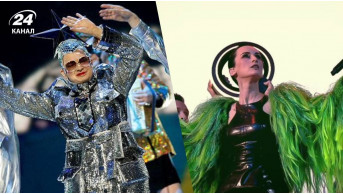
Fast forward to 2007, and Verka Serduchka's "Dancing Lasha Tumbai" created both a musical and political stir. Despite securing only second place, Serduchka's act became iconic, with its catchy tune and flamboyant performance.
"The line between humor and critique was blurred, but that was its genius, " remarked a Eurovision fan.
Jamala's Historical Triumph
Jamala's 2016 win with "1944" was not just about music but a poignant reminder of historical pain. The song, a tribute to the deportation of Crimean Tatars, resonated deeply, transcending the typical Eurovision fare and sparking conversations about the role of politics in music.
Go_A's Modern Folklore
Go_A's "SHUM" in 2021 took the audience on a journey through modern interpretations of traditional themes. The song's blend of folk and electronic music, alongside visually striking performances, signaled a fresh direction for Ukrainian entries, embracing innovation while honoring heritage.
Kalush Orchestra's Unifying Message
In 2022, amidst geopolitical tensions, Kalush Orchestra's "Stefania" harmonized personal narrative with national pride. The song, dedicated to the lead singer's mother, became an anthem of resilience. Their performance in Turin solidified Ukraine's standing as a powerhouse of both musical and cultural significance.
"Help Mariupol, help Azovstal now!" Oleg Psyuk's call to action during the final echoed far beyond the stage, highlighting the convergence of art and advocacy.
The journey of Ukraine in Eurovision is not just about competition; it is a canvas where tradition, innovation, and identity converge, leaving a lasting legacy.
Editor: Yana Davydiuk