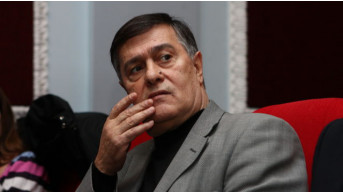
Ukrainian filmmakers call for a boycott of Russian art

Ukrainian film artists unite for an important message to the world community: boycott of Russian art. Famous actors and directors, including Ada Rogovtseva, Roman Balayan and Mykhailo Illenko, issued a public appeal aimed at drawing the attention of the international film industry and culture to the problem of Russian aggression.
Why now?
This call is not accidental. Recent events in Ukraine pushed Ukrainian artists to take active action. Rogovtseva emphasizes:
"Art cannot be outside of politics when such terrible events are happening in the world."
Her words found support among many colleagues. Roman Balayan, who became the laureate of this year's state award named after Oleksandr Dovzhenko, also spoke on this topic, reminding that a boycott is not only an act of protest, but also a mechanism of influence on the consciousness of society.
Historical context
The issue of boycotting Russian art was raised before, but now it has become more urgent. Similar calls were already made during previous conflicts and aggressions, but today's situation requires more decisive actions. Mykhailo Illenko noted:
"We have no right to remain indifferent. Our duty is to act."
Consequences for the industry
The effect of such a boycott could have a significant impact on the film industry and the arts as a whole. Refusing to cooperate with Russian cultural figures and companies can lead to significant changes on the world stage. This, in turn, can become an incentive for the creation of new international partnerships and projects supporting peace and stability.
What are the forecasts for the future?
Ukrainian artists hope that their call will find support among colleagues from all over the world. They believe that joint efforts can draw attention to the problem and influence the situation. The issue of the boycott of Russian art can become an important part of the global discourse on the responsibility of artists to society.
Editor: Emiliia Morozova