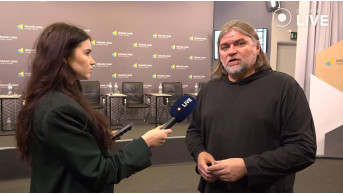
Oles Sanin Sounds Alarm: Ukraine's Film Industry Faces Bleak Future

In the world of cinema, a profound narrative isn't just about what unfolds on the screen, but also the stories of those who bring it to life. Oles Sanin, the mastermind behind the iconic film "Dovbush, " recently shared a stark revelation about the state of Ukrainian cinema—a tale as gripping as any screenplay.
The Cinematic Descent: A Financial Abyss
Sanin paints a vivid picture of an industry teetering on the edge. "Ukrainian cinema is in a financial abyss, " he warns, pointing out that the current challenges stem from a crumbling financial structure desperately in need of state support. With the State Cinema ('Dergkino') in disarray, having just emerged from a tumultuous period of instability and leadership vacuum, the future appears precarious.
The Ghost of Cinema's Past
Sanin's vision of the future is a monochrome shadow of its vibrant past. He highlights a "great history of low-budget filmmaking" on the horizon, with an emphasis on diluted narratives focusing on prevalent themes like war. The push to meet a 15% quota of Ukrainian projects in theaters has led to a reliance on digitized archival films or previously purchased features.
"We are on the brink of a low-budget era, full of films that are cheap in every sense, " Sanin declares, underscoring the industry's struggle to survive without substantial state involvement.
Hope in the Hands of the Young
Despite the grim outlook, Sanin expresses hope in the resilience of budding filmmakers. He notes the remarkable talent that persists, fueled by sheer determination and passion. At festivals such as Molodist, the presence of films produced without state funding is a testament to the grit of these young artists.
"It's an extraordinary testament to the survival and talent of our nation, " he says, emphasizing the disconnect between state interests and the cinematic arts.
Charting a New Course: The Need for State Intervention
Sanin calls for a new chapter, one where the state plays a pivotal role in shaping the cinematic landscape. He insists that the government should set the agenda, promoting films that reflect national identity and heroism. The goal? To create films that resonate with the populace, drawing them into stories that mirror their own lives.
In conclusion, the Ukrainian film industry stands at a crossroads. While the challenges are daunting, the spirit of Ukrainian filmmakers remains unyielding. With concerted efforts and state support, there is hope that the industry will not just survive but thrive, crafting stories that captivate audiences at home and abroad.
Editor: Emiliia Morozova