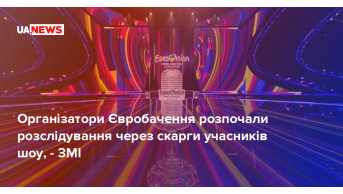
Eurovision 2024: The organizers launched an investigation due to complaints from participants

The European Broadcasting Union (EU) received 13 complaints from representatives of different countries about the dangerous atmosphere during Eurovision 2024 caused by the participation of Israel, the disqualification of the Netherlands and pro-Palestinian protests. This event has already caused quite a stir in the world of show business and may have significant consequences for future competitions.
Complaints of participants: What happened?
During the last week of Eurovision 2024, the EMC received numerous complaints concerning several key points. Israel's participation in the contest caused a wave of protests related to pro-Palestinian sentiments. In addition, the disqualification of the Netherlands added to the tension and led to even greater indignation among the participants.
"We were forced to act quickly to ensure the safety and comfort of all show participants, " said the representative of the EMC.
Dangerous atmosphere: Implications for the competition
The dangerous atmosphere during the event caused concern not only for the participants, but also for the spectators. The pro-Palestinian protests surrounding the event created an uncontrollable situation that the organizers could not ignore.
Historical context: Eurovision and politics
Eurovision has always been at the crossroads of music and politics. From the time of the Cold War to modern conflicts, the pageant has often become a platform for the expression of political positions. However, this year's competition has raised the issue of security to a new level, which may change the future of the event.
"We will review our security protocols and work to avoid similar situations in the future, " the EMC representative commented on the situation.
Forecasts for the future
The organizers have already started an investigation to study in detail all the circumstances that led to such events. This may affect the rules of participation in Eurovision and approaches to ensure security for both participants and spectators. The future Eurovision Song Contest could be an even more inclusive and safe event, thanks to the lessons learned from this year's contest.
Editor: Yana Davydiuk