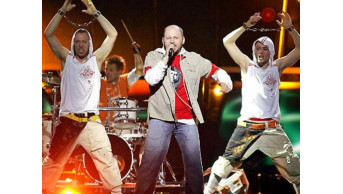
How GreenJolly's Anthem Defined Ukraine's History and Their Future

The year was 2004, a time when Ukraine found itself at a crossroads. Amidst the waves of the Orange Revolution, a song emerged, capturing the spirit of the nation and turning a little-known band, GreenJolly, into a household name.
The Birth of an Anthem
From the heart of Ivano-Frankivsk, GreenJolly composed "Razom Nas Bahato" with a simple goal: to inspire the revolutionaries rallying for change. Within hours of its release, the song became the anthem of a movement, resonating from Kyiv's streets to the far reaches of the country.
"We wrote the song in just four hours, hoping to motivate the activists, " recalls Rokan Kalin, the band's co-founder.
Eurovision and Its Aftermath
In 2005, Ukraine hosted Eurovision, and GreenJolly was chosen to represent the nation. Their performance was met with mixed reviews, culminating in a 19th-place finish. The Eurovision stage was a double-edged sword—offering visibility yet overshadowed by the political undertones of their song.
Despite this setback, GreenJolly continued to ride their wave of fame, releasing their first album "Let It Be So" later that year. But as the band’s lineup changed, so did their fortunes, leading to their eventual disbandment in 2009.
Life Beyond the Spotlight
Today, Rokan Kalin remains the last standing member of GreenJolly. He shifted his focus from performing to producing, nurturing the sounds of emerging artists from his recording studio. Kalin’s passion for music persists, albeit behind the scenes.
"Producing sound is what I love, and I dedicate myself to it wholeheartedly, " Kalin shares, illustrating his new chapter.
Reflecting on Legacy and Politics
Rokan Kalin is candid about the band's breakup, attributing it to more than just their Eurovision performance: "It wasn't the contest; it was the political climate that defined us."
While offers for a comeback linger, Kalin remains undecided, contemplating whether the stage is where he wants to be once more.
Editor: Yana Davydiuk